
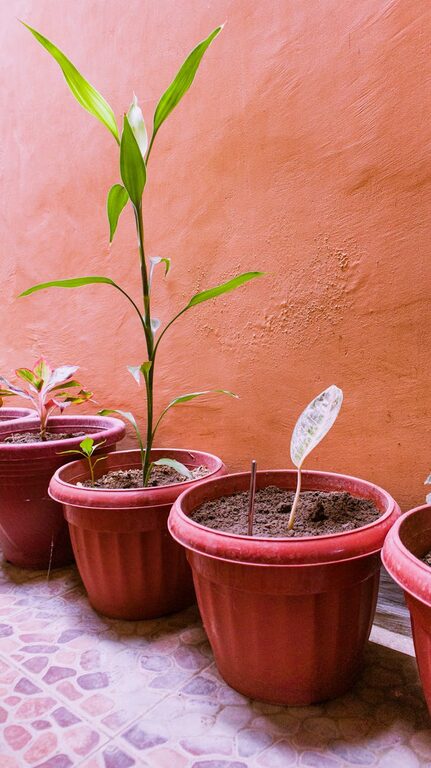
Creating a sustainable home garden year-round is a rewarding way to nurture the environment while enjoying fresh produce and beautiful plants. Sustainable gardening means using methods that support the health of the soil, conserve resources, and reduce waste. With a few thoughtful strategies, you can maintain a thriving garden in every season.
Why Choose a Sustainable Home Garden?
A sustainable garden benefits you and the planet. It reduces the need for chemical fertilizers and pesticides, minimizes water waste, and supports local ecosystems. Over time, it can lower your food costs and provide a satisfying hobby that connects you with nature.
Planning Your Year-Round Garden
1. Choose the Right Plants
Select plants suited to your local climate and conditions. Native plants are often more resilient and require less water and care. For vegetables and herbs, consider varieties known to thrive in your region.
2. Plan for Seasonal Changes
Divide your garden space into zones based on sunlight, shade, and soil type. Rotate crops through these zones to avoid soil depletion and manage pests naturally. Consider planting a mix of annuals, perennials, and cover crops to ensure continuous growth.
Soil Health and Preparation
3. Test and Improve Soil Quality
Healthy soil is the foundation of a sustainable garden. Test your soil to understand its pH and nutrient content. Amend with organic matter such as compost, aged manure, or leaf mold to enhance fertility and structure.
4. Use Composting
Composting kitchen scraps and yard waste reduces landfill trash and enriches your soil. Set up a compost bin or pile in a convenient location. Regularly turn the compost to speed decomposition and prevent odors.
Water Conservation Techniques
5. Collect Rainwater
Install rain barrels or water collection systems to catch runoff from your roof. This natural water source helps reduce dependence on municipal water for irrigation.
6. Mulch to Retain Moisture
Apply a layer of organic mulch like straw, bark chips, or shredded leaves around plants. Mulch suppresses weeds, keeps soil moist, and regulates temperature.
7. Water Wisely
Water your garden in the early morning or late evening to minimize evaporation. Use drip irrigation or soaker hoses for targeted watering that reduces waste.
Pest and Weed Management
8. Encourage Beneficial Insects
Ladybugs, bees, and lacewings act as natural pest controllers. Plant flowers and herbs such as marigolds, basil, and lavender to attract these helpful insects.
9. Use Natural Pest Deterrents
Avoid chemicals by using homemade sprays like garlic or neem oil solutions. Handpick pests and use barriers like row covers or sticky traps when necessary.
10. Practice Crop Rotation and Companion Planting
Rotate crops annually to prevent pest buildup. Pair plants that support each other, such as planting beans alongside corn, to improve pest resistance and nutrient use.
Extending Your Growing Season
11. Use Cold Frames and Greenhouses
Cold frames protect plants from frost and extend the growing season into colder months. Small greenhouses or hoop houses allow you to cultivate seedlings or tender crops all year.
12. Grow Indoors When Needed
Bring herbs and small vegetables inside during winter. Use south-facing windows or grow lights to provide adequate light.
13. Preserve Your Harvest
Sustainability includes minimizing waste by preserving surplus food. Try drying, freezing, pickling, or canning to enjoy your garden’s bounty year-round.
Final Thoughts
Creating a sustainable home garden is both practical and enjoyable. By focusing on soil health, water conservation, natural pest control, and thoughtful planning, you can enjoy an abundant garden every season. Each small step contributes to a healthier garden and planet.
Start today with one or two tips and build your sustainable garden over time—it’s a journey well worth the effort.